
How to Create a Cosy Reading Nook in Small Rooms
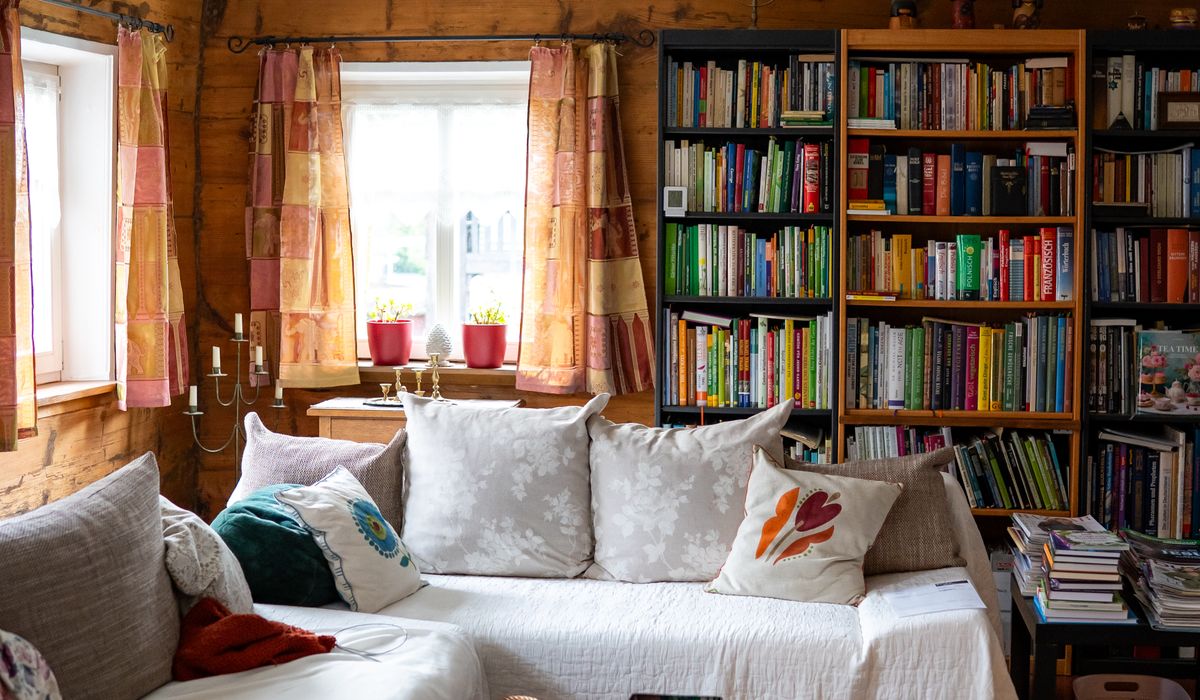
Why the Smallest Corner Can Become the Cosiest Retreat
There is a particular magic to a reading nook. It is not a whole room, and it does not need to be. All it asks for is a corner that has been quietly doing nothing — the alcove beside a chimney breast, the space behind a door, the stretch of wall between a window and a wardrobe. In a small home, these pockets of unused floor are easy to overlook, yet they are often the very places where a chair feels most inviting.
The logic is simple: the smaller the space, the easier it is to make it feel snug. A generous living room can swallow a single armchair, leaving it looking stranded. Tuck that same chair into a corner, add a warm pool of light and a soft throw, and suddenly you have somewhere you genuinely want to sit. The aim is not to furnish the corner so much as to furnish the feeling of being held by it.
Below is a practical approach, built around three essentials — a compact chair, a warm lamp and a soft throw — plus the smaller touches that turn a good corner into a favourite one.
Start with a Chair That Fits the Space, Not the Room
The most common mistake in a small room is buying a chair sized for a larger one. Measure your corner properly before you shop: the width of the wall, the depth you can afford to lose, and the distance to the nearest doorway. Leave at least 60 centimetres of clear floor in front of the chair so you can step in and out comfortably.
Look for:
- A high, supportive back. A chair you can sink into and rest your head against encourages longer reading sessions.
- A narrow footprint. Around 70 to 80 centimetres wide suits most corners without dominating the room.
- Rounded or sloped arms. They take up less visual space than square ones and give you somewhere to rest an elbow.
- A swivel base or light frame if the corner is tight, so you can turn towards the light or the room.
Wing chairs and compact tub chairs work beautifully here, particularly in a cottage where their curved silhouettes echo the architecture. If floor space is really scarce, a deep-seated armchair with slim legs will read as lighter than a bulky recliner, and you will still be able to tuck a basket of books underneath.
Light It Warmly and in Layers
Nothing kills a reading nook faster than a single bright ceiling light. What you want is a low, warm pool of illumination at roughly shoulder height, so the light falls onto your page rather than into your eyes. A floor lamp with an adjustable head is ideal, but a small table lamp on a narrow side table works just as well.
Choose a bulb with a warm colour temperature — around 2700K — and a shade in linen, paper or woven rattan, which softens the glow and casts gentle shadows. If you can, add a second, dimmer source: a wall light, a candle or a string of warm fairy lights along a shelf. Layering two or three low lights creates depth and makes a compact corner feel enveloping rather than closed in.
Position the lamp so that the bottom of the shade sits at about eye level when you are seated. This is the single change that most improves comfort, and it costs nothing but a moment of adjustment.
Add Texture with Throws, Cushions and a Footstool
Cosiness is largely a matter of texture. Hard surfaces — bare floorboards, painted walls, a wooden chair frame — read as cool, however pretty they are. Soften them deliberately.
- A throw in wool, brushed cotton or chunky knit draped over one arm and across the back of the chair. Keep it within reach so you actually use it.
- Two cushions, no more. One for your lower back, one to hug. A pair of contrasting textures — say, a plain linen and a woven stripe — looks considered, not cluttered.
- A small footstool or ottoman if there is room. It doubles as a surface for a mug and makes an hour of reading far kinder on your legs.
- A rug underneath. Even a small one anchors the nook and warms the floor beneath your feet.
Stick to a tight palette — two or three colours drawn from the rest of the room — and the corner will feel like part of a whole rather than a jumble of odds and ends.
Use Every Vertical Centimetre
In a small room, the wall is your friend. A slim shelf fixed at arm's reach holds the books you are currently reading and keeps the floor clear. Floating shelves are ideal because they take up no footprint at all, and in a cottage, a reclaimed plank on simple brackets suits the character of the building.
Think about what else the nook needs within reach: a small table or a wall-mounted ledge for a mug, a coaster and perhaps a pair of reading glasses. A basket beside the chair can hold magazines and a blanket when they are not in use. Everything else can live elsewhere — this corner should feel calm, not crammed.
Finally, consider scent and sound. A single candle, a diffuser or a small vase of dried stems adds atmosphere without clutter, and a cushion or curtain in a heavier fabric will soften echoes in a small, hard-surfaced room.
Little Rituals That Make the Nook Yours
A reading nook becomes truly cosy once it is used. Keep a book open on the arm of the chair, a blanket folded ready, and the lamp on a simple switch you can reach without getting up. In winter, add a hot water bottle; in summer, swap the wool throw for a light cotton one and open the window a fraction.
Above all, resist the urge to make the corner perfect. The best reading nooks are slightly worn, faintly personal and entirely undemanding. Give it a comfortable chair, a warm light and something soft to pull around your shoulders, and it will quietly become the best-used square metre in your home.


Combine wool, linen and velvet in cushions and throws to build depth without making a small sitting area feel cluttered.
Use slim shoe racks, wall hooks and a shallow console table to keep everyday essentials tidy in a tight entrance.
Open shelves, warm wood tones and practical task lighting can soften a compact kitchen without sacrificing valuable worktop space.
Brushed cotton, flannel and wool blends trap warmth while allowing skin to breathe during cold nights in draughty bedrooms.