
Choosing Warm Lighting for Dark Cottage Corners
Why Cottage Corners Stay Cold
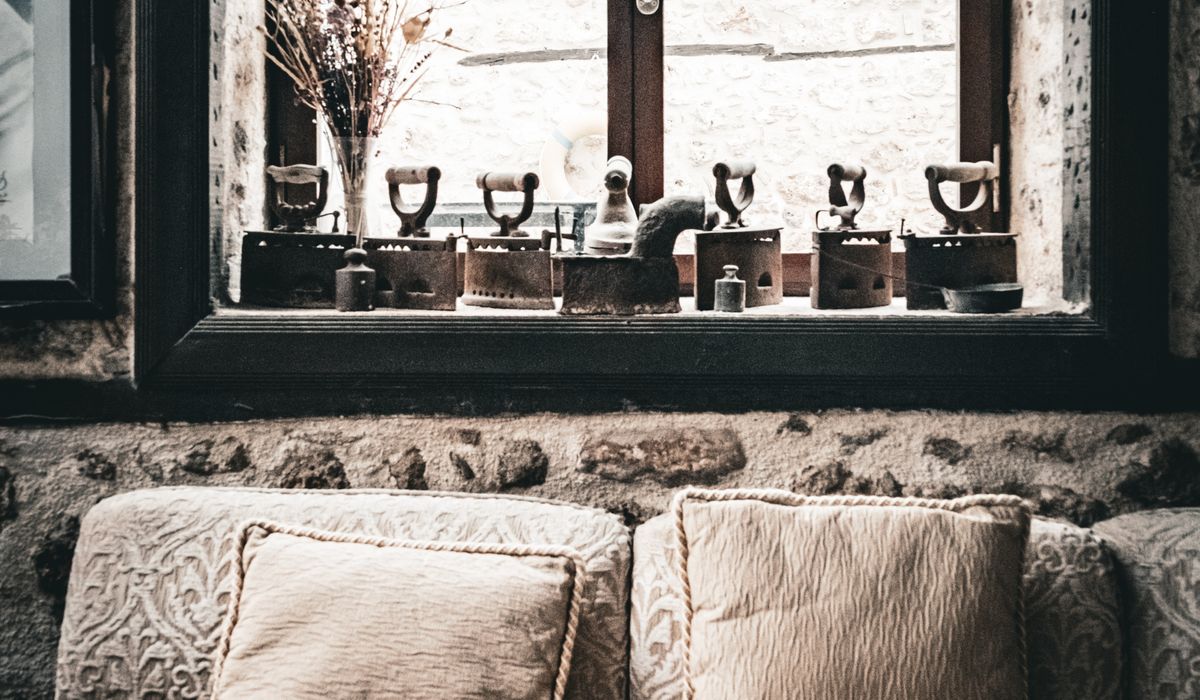
Every cottage has one: the corner behind the armchair, the alcove beside the inglenook, the awkward nook under the stairs where a lamp never quite reaches. These spaces fail for a simple reason. Cottages were built for firelight, not for overhead lighting, and they are full of things that swallow light — low ceilings, heavy beams, deep window reveals, dark timber, thick plaster and woolly textiles in muted colours. A single pendant in the middle of the room will light the table and abandon everything beyond it.
The answer is not a brighter bulb. A harsher light in a dark corner simply makes the corner look cold and the rest of the room look gloomy by comparison. What you want is warm light delivered in small, controllable pools, so that the shadows soften rather than disappear. That comes down to two decisions: the colour temperature of your bulbs, and whether you can dim them.
Get the Colour Temperature Right
Colour temperature is measured in Kelvin, and it is the single most useful number on a bulb box. Standard warm white sits at around 2700K, which is close to the old incandescent glow most of us grew up with. For a genuinely dark corner, go lower still.
- 2700K — warm white, ideal for general living room lighting and reading lamps.
- 2200K — a softer, amber-toned glow, perfect for alcoves, corners and under-stair nooks.
- 1800K — the deepest amber, very close to candlelight. Beautiful as a decorative accent, but too dim to read by.
Anything at 3000K or above starts to read as kitchen or workplace light. Against lime plaster, oak and tweed it looks grey and faintly clinical, and it will kill the warmth of a fire instantly. If you can, look for a colour rendering index of 90 or above; this is what makes timber, brass and wool look rich rather than flat. A CRI of 80 is acceptable, but the difference is noticeable in a room full of natural materials.
Match the Output to the Job
Warm does not mean weak. A low colour temperature bulb can still be bright, and you will need to think about lumens rather than watts. As a rough guide, a small candle bulb of 4W will give you around 300 to 400 lumens, which is enough for a decorative corner or a shelf. A table lamp for reading wants 500 to 600 lumens, and a floor uplighter behind a chair can handle 800 to 1000.
Resist the temptation to solve a dark corner with one powerful lamp. Two modest lamps at opposite ends of a nook create depth; a single bright one flattens the whole space and shows every imperfection in the plaster. Beam angle matters too — a narrow spot will burn a hot circle onto the wall, while a wide beam spreads softly. Frosted or opal diffusers are your friend here, as clear bulbs behind a shade throw hard shadows up onto the ceiling.
Add Dimmers and Take Control of the Evening
If you do only one thing after choosing your bulbs, fit a dimmer. A dimmer switch lets one lamp carry you from a bright early evening through to a low, settling glow at ten o'clock, instead of forcing you to choose between too much light and too little.
There are a few practical rules worth knowing before you buy. The bulb must be explicitly marked as dimmable — this is not a marketing nicety, it is a technical requirement. Use a trailing-edge dimmer designed for LED loads, as older leading-edge dimmers often produce buzzing, flicker or a frustrating stall at low levels. Watch the minimum load: a single 4W LED can sit below what the dimmer needs to function, which causes flickering or a sudden drop-out. Either choose a dimmer with a very low minimum load or keep two or three bulbs on the same circuit.
Once installed, set the lowest point properly. Turn the dimmer down at eight in the evening, sit in the room and adjust until the light is low but still comfortable. The bottom of the dial is rarely the nicest setting; it is usually two or three notches up.
Layer Two or Three Small Lights per Corner
Corners respond well to layers rather than a single source. A useful arrangement for a cottage nook might include a table lamp with a fabric shade at elbow height, a wall light or picture light above eye level washing the wall, and a floor uplighter tucked behind a chair to graze the ceiling and make the room feel taller. A hidden strip of warm light behind a beam or along a shelf edge adds a gentle glow with no visible source at all.
Remember that light bouncing off a pale wall is worth far more than a bright bulb pointed at your face, so position lamps to illuminate surfaces as well as tasks.
Small Details Worth Getting Right
- Choose linen, calico or cotton shades in cream and oatmeal; dark shades absorb the warmth you have just paid for.
- Keep a plug-in dimmer or a timer on a socket if rewiring is not an option — two or three lamps on a timer will greet you on a winter evening.
- Dust bulbs and shades occasionally; a film of grime on a warm bulb noticeably dulls the output.
- Wipe the inside of glass shades, and keep paper or card shades well clear of any bulb that runs hot.
- Let the fire remain the focal point. Light the corner gently rather than competing with the hearth.
Get the colour temperature low, the output modest and the dimming smooth, and even the darkest corner of an old cottage becomes the seat everyone wants.


Use slim shoe racks, wall hooks and a shallow console table to keep everyday essentials tidy in a tight entrance.
Open shelves, warm wood tones and practical task lighting can soften a compact kitchen without sacrificing valuable worktop space.
Brushed cotton, flannel and wool blends trap warmth while allowing skin to breathe during cold nights in draughty bedrooms.
Mix practical ceramics with foraged finds and a few well-loved books to create display space that feels personal and calm.