
Making a Tiny Kitchen Feel Warm and Welcoming
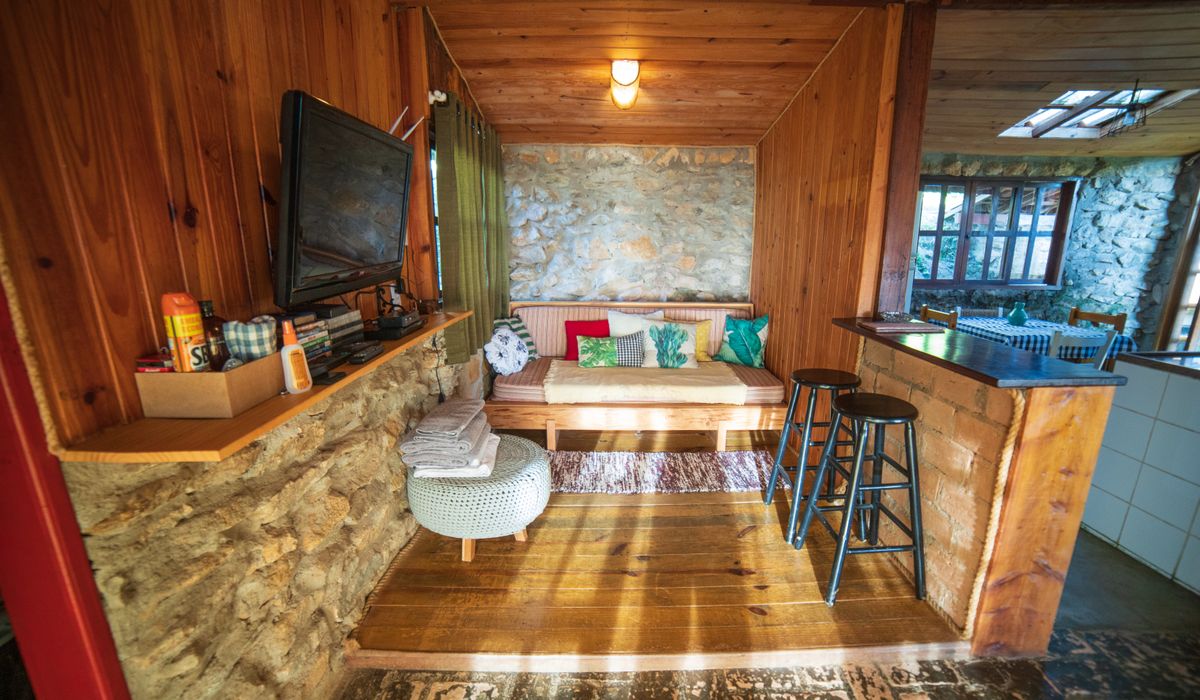
A small kitchen can still feel generous
Compact kitchens have a habit of being designed for efficiency rather than comfort. Everything is glossy, white and wipe-clean, and while that makes the space easy to work in, it can leave it feeling more like a laboratory than the heart of a cottage. The good news is that warmth in a tiny kitchen has very little to do with square metres. It comes from tone, texture, light and the small daily details that make a room feel lived in. Better still, most of the changes that add cosiness can also free up worktop space rather than steal it.
Choose tones that hold the light
Start with the surfaces you already have. A bright blue-white on the walls and cupboards will bounce light around, but it also reads as cold, especially in a north-facing room or on grey January afternoons. Swap it for an off-white with a hint of yellow, stone or clay, and the same amount of light will feel softer rather than sharper.
If a full repaint is off the cards, you can warm a small kitchen with far less effort:
- Paint just the cupboard doors in a warm neutral and leave the carcasses alone.
- Use a washable eggshell on walls instead of a hard, flat emulsion.
- Choose a deeper shade for the lower cupboards and a lighter one above, so the room feels grounded rather than top-heavy.
- Avoid three or four competing colours. Two tones plus timber is plenty in a small space.
Open shelving that earns its keep
Wall cupboards are bulky. In a narrow kitchen they crowd your eyeline, block light from the window and make the room feel like a corridor. Open shelves do the opposite: they let you store upwards without boxing in the space, and because they are shallower, you gain a sense of air above the worktop.
Get the details right and they will work hard for you:
- Keep shelves to around 200–250mm deep. Any deeper and they overhang the worktop and catch your head.
- Fix the lowest shelf at least 450–500mm above the worktop so a kettle, toaster or coffee grinder can sit beneath it.
- Use 18–22mm timber, or painted MDF if you want a softer, cottage look. Solid brackets look better than hidden ones in an older building.
- Store only what you use weekly — mugs, bowls, jars of tea and coffee, a few glasses. Leave roughly a third of each shelf empty.
- Keep the ugly things, such as blenders and mismatched plastic tubs, in a closed cupboard higher up or under the counter.
Let warm wood do the heavy lifting
Nothing softens a hard-working kitchen faster than timber. A solid wood worktop in oak, ash or pine, finished with oil rather than a high-shine lacquer, will age gracefully and hide the odd scratch that a laminate would show forever. If a new worktop is too big a job, you can still bring the same warmth in:
- Prop two or three wooden chopping boards against the wall behind the hob.
- Keep wooden spoons and spatulas in a jar rather than a drawer.
- Swap chrome handles and knobs for timber, brass or aged copper — warm metals reflect light in a gentler way.
- Add a small stool or a drop-leaf table in the same timber tone as the worktop.
Stick to two wood tones at most. Three or four different grains in a small room starts to look busy rather than cosy.
Light for the job, then for the mood
One central ceiling light is the enemy of a small kitchen. It flattens everything, throws shadows exactly where you need to work, and leaves no room for atmosphere. Layer your lighting instead.
For tasks, warm white LEDs at around 2700K are ideal. Anything closer to 4000K reads as clinical, however energy-efficient it may be. Run a slim strip beneath the lowest open shelf or wall cupboard so the worktop where you chop and prepare is properly lit, and angle it slightly towards the wall to reduce glare on a shiny surface.
For mood, add one low pendant over a small table or breakfast bar, on a dimmer if you can. Where wiring is awkward, a plug-in wall light or a small lamp on a shelf will do the job just as well. A candle on the windowsill is not a design cliché — it is genuinely the cheapest way to make a kitchen feel welcoming at seven in the evening.
Soften the hard edges and keep the worktop clear
Kitchens are full of hard surfaces: tile, stone, metal, glass. Break them up with a few soft ones. A cotton runner in front of the sink, a pair of linen tea towels on a rail, a woven basket for onions, a small curtain beneath the sink instead of a panel, pots of herbs on the windowsill. None of these cost much, and all of them add the lived-in quality that makes a room feel like a home.
Finally, protect your worktop. A tiny kitchen only feels warm when it functions; frustration kills cosiness faster than any colour scheme. Follow a simple rule: everything that lives on the worktop must be used daily. Store the rest vertically on the wall, on a rail with hooks, in a shallow shelf above the window, or on a plate rack. Clear counters, warm light and a bit of timber — that is the whole trick.


Mix practical ceramics with foraged finds and a few well-loved books to create display space that feels personal and calm.
Use under-bed boxes, over-door hooks and bedside drawers to maximise storage without making a small bedroom feel cramped.
Group candles at different heights, use unscented varieties near dining tables and always keep flames away from loose fabrics.
Create a simple wreath with dried grasses, berries and ribbon, then refresh it through autumn and winter for a welcoming entrance.